



Wordle Nyt
+0
+1
Чтобы поставить лайк необходимо войти или зарегистрироваться
Wordle (NYT) — A Short History, Impact, and Debate
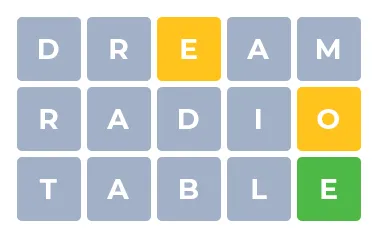 Wordle, acquired by The New York Times in 2022, is a deceptively simple daily word puzzle that quickly became a global cultural phenomenon. Players have six attempts to guess a five-letter target word; after each guess, tiles change color to indicate correct letters in the right place, correct letters in the wrong place, or letters not in the word. Its design—single daily puzzle, no ads, easy sharing—helped it spread rapidly via social media and word of mouth.
Origins and rise
Created by Welsh software engineer Josh Wardle in 2021 as a private game for his partner, Wordle Nyt was released publicly in October 2021. Its minimalist interface and one-puzzle-per-day mechanic encouraged communal conversation and anticipation. Viral sharing features (colored square emoji strings) allowed users to post results without spoilers, turning individual play into a social ritual. The New York Times bought Wordle in January 2022, integrating it into their Games section while keeping play free.Why it resonates
- Cognitive satisfaction: Wordle taps into pattern recognition, vocabulary, and deduction—skills that are both challenging and gratifying to exercise.
- Social bonding: The daily puzzle creates shared touchpoints; friends compare results, discuss strategies, and celebrate streaks.
- Low barrier to entry: No ads, simple controls, anonymous gameplay and a single daily puzzle remove commitment pressure while preserving novelty.
Strategies and skill development
Common strategies include starting with high-vowel, common-letter words (e.g., “ARISE,” “AUDIO”) to maximize information early; some players prefer words targeting frequent consonants like S, T, R, N, L. Advanced tactics use elimination logic, letter-position statistics, and known word lists. Some players track letter frequency across puzzles to refine their choices. The game can improve vocabulary and deductive reasoning for casual players, while competitive players develop sophisticated heuristics and mental word databases.Criticisms and controversies
- Accessibility: Five-letter English words favor those fluent in English and familiar with less-common words; non-native speakers can find puzzles disproportionately difficult.
- Monotony and luck: Critics argue the daily format reduces replayability and that success can hinge on luck, especially when the solution contains rare letters or obscure words.
- NYT acquisition concerns: Some users worried that commercialization would change the game’s ethos..